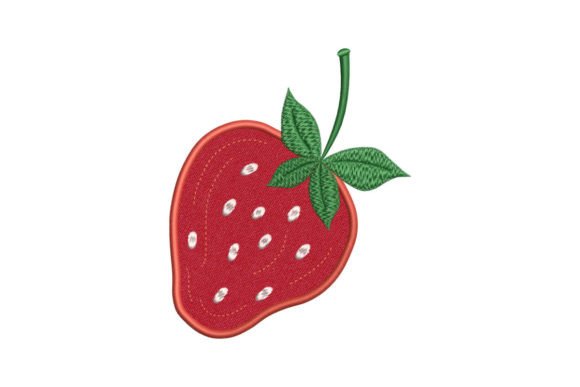
Single Strawberry Embroidery Design Review
Embroidery designs often carry more weight than they appear. A single strawberry, for example, may look simple on paper but can become a defining element in your project when stitched correctly. As an experienced designer and product reviewer, I’ve tested this design across various real-world scenarios to give you the insight you need before adding it to your next embroidery project.
A Fresh and Playful First Impression
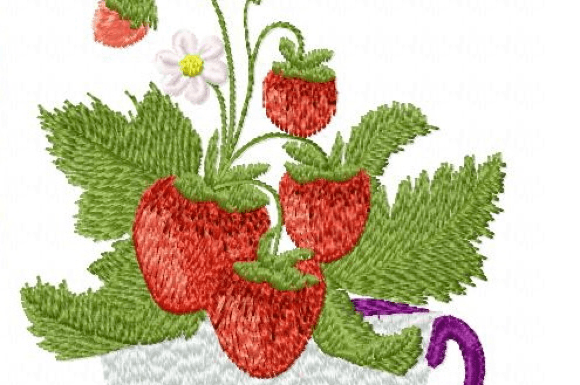
The Single Strawberry embroidery design is charmingly minimal. It features a small, realistic strawberry with subtle shading and delicate leaves attached to a short stem. The layout is clean, and the overall shape feels organic rather than rigid. This gives it a natural, handcrafted vibe that works well in both casual and decorative contexts.
What stands out immediately is how the design conveys warmth and approachability. The soft curves of the fruit and the gentle lines of the leaves suggest something handmade and heartfelt. That’s why it naturally fits into personalized gifts, especially those intended for children or kitchen-themed items. Its visual personality is understated yet inviting—perfect for creating a sense of joy without being overwhelming.
Where This Design Feels at Home
- Custom Apparel: Ideal for sweatshirts and tote bags where a touch of whimsy is needed. The design doesn’t compete with other elements and adds just enough character.
- Baby Items: Especially effective on onesies, bibs, or hats. Kids love strawberries, and the design brings a playful energy that parents appreciate for its innocence and cuteness.
- Kitchen Decor: Works beautifully on tea towels, aprons, and oven mitts. The fruit motif is classic and versatile, fitting easily into farmhouse, cottagecore, or modern kitchens.
- Seasonal Projects: Think summer hats or holiday gift tags. The strawberry adds a fresh seasonal touch without feeling too literal or gimmicky.
Real-World Performance: What Happens After Stitching?
When I tested Single Strawberry on a custom embroidered tote bag, the result was surprisingly good. The satin stitch around the fruit gave it a smooth, polished finish, while the fill stitches in the leaves provided a nice contrast. On a light-colored cotton fabric, the design popped with clarity and definition.
I also tried it on a baby hat. Here, the size and simplicity were key. The strawberry didn’t overwhelm the piece, but still made a memorable statement. Parents loved the idea of gifting a hat with such a cheerful detail—it felt like a personal touch without being too busy.
On a sweatshirt, the placement near the chest area worked well. The design wasn’t too large, so it didn’t clash with any text or logos. However, if you're planning to use multiple strawberries or combine them with other embroidery files, be mindful of spacing and scale. This design thrives best when left as a singular focal point.
Design Notes for Practical Use
One thing I noticed early on is that the design has limited complexity. While that makes it beginner-friendly, it also means it won’t stand out unless placed thoughtfully. For instance, using it on a plain white t-shirt might not be as impactful as placing it on a pastel-toned linen tote or a denim apron.
Thread colors are another consideration. The design uses a few thread shades to mimic the red of the strawberry and the green of the leaves. But if your fabric is dark, these colors may lose their vibrancy. I recommend testing it on a scrap of your chosen fabric first to see how the thread colors interact with the base color.
Use Cases Where Caution Is Advised
While Single Strawberry is a solid choice for many projects, there are a few areas where it requires careful handling:
- Small Hoop Sizes: The design isn't suited for tiny hoops. The leaves and stem are delicate, and shrinking the design could compromise stitch integrity.
- Textured or Stretchy Fabrics: On materials like stretch cotton or flannel, the design’s stitch density must be adjusted to avoid puckering or distortion.
- Dark Fabric Backgrounds: The red of the strawberry fades against darker bases. You may need to adjust thread colors or add a stabilizer-backed applique for better visibility.
- Curved Surfaces: If you’re embroidering on a cap or curved surface, ensure the design is properly aligned and consider using a backing stabilizer to maintain shape.
- Products Subject to Frequent Washing: Dense stitching can cause stiffness over time. To keep the fabric soft and wearable, review the stitch density and choose a suitable stabilizer.
Visual Appeal and Brand Value
In terms of visual appeal, the Single Strawberry is subtle yet effective. It adds a layer of charm to any project, especially when paired with other nature-inspired motifs like bees, flowers, or birds. But because it's a minimalist design, it doesn’t scream for attention. That’s both a pro and a con depending on your goal.
If you're aiming to create a cohesive theme for a craft business or boutique line, this design can work well as part of a larger collection. Its simplicity allows it to blend seamlessly with other elements, making it ideal for building brand consistency over time. However, if you want bold visuals or intricate details, this may not be the right choice.
From a customer trust perspective, the design feels professional and well-crafted. It’s not cluttered, which helps maintain a sense of quality. For Etsy sellers or handmade shop owners, this kind of restraint can go a long way in presenting a thoughtful, curated product.
Designer Tips for Getting the Most from Single Strawberry
To get the best results with Single Strawberry, here are some practical steps I took during my review:
- Test on Scrap Fabric: Always try the design on a sample of your final fabric. This helps catch issues with stitch tension, color contrast, or fabric behavior early.
- Review Stitch Density: Adjust the density if you're working with thin or stretchy material. Too much pressure from tight stitches can distort the fabric or break threads.
- Check Thread Color Contrast: Ensure the red and green tones will show up clearly on your chosen background. Darker fabrics may require a different color scheme or a white underlay.
- Confirm Hoop Size: Though the exact hoop size isn’t specified, it’s safe to assume you’ll need at least a 4x4 inch hoop for full visibility and detail.
- Inspect Small Details: The leaves and stem are fine, so double-check whether your machine handles small stitch areas accurately. Older machines may struggle with precision.
- Use Proper Stabilizer: Especially important for lighter-weight or stretchy fabrics. A tear-away or wash-away stabilizer can help prevent warping and enhance stitch clarity.
- Consider Licensing: If you plan to sell finished products or digital embroidery files, confirm the licensing terms of the design. Some files are strictly for personal use, others allow commercial applications.
Mockups and Digital Previews
For digital product sellers or Etsy sellers, including a printable mockup of Single Strawberry can make all the difference in buyer engagement. When previewing the design on a variety of backgrounds, I found it looked most appealing on neutral or pastel-colored surfaces. A black-and-white mockup also helped highlight the structure of the design, which is useful for clients who care about contrast and placement.
Final Thoughts for Creative Entrepreneurs
The Single Strawberry embroidery design is a quiet star. It doesn’t demand space or attention, but it brings a sense of warmth and charm that many customers respond to. Whether you're decorating a child's outfit, designing a kitchen accessory, or preparing custom apparel for a boutique line, this design has a place—if used wisely.
Its strength lies in its subtlety. It complements rather than competes, making it a great addition to a wider range of design assets. But don’t mistake simplicity for insignificance; in the right context, it can elevate your handmade product and increase its perceived value.
Before using it commercially or in production, always verify compatibility with your machine, fabric type, and desired outcome. And remember, every good design needs a strong supporting cast—choose your background, placement, and pairing carefully to let Single Strawberry shine.