★★★★☆4.5(258 reviews)
Not Too Sweet: A Zesty Embroidery Design for Real Projects
First Impressions and Visual Personality
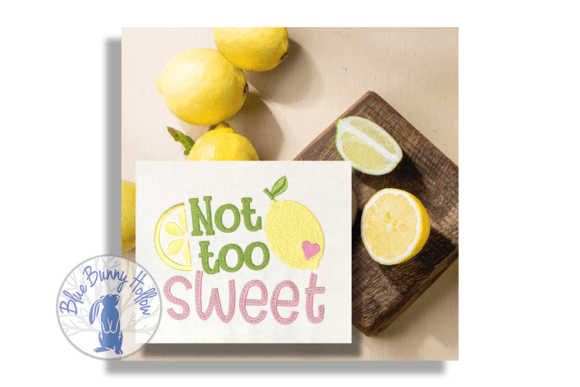
When I first saw the Not Too Sweet embroidery design, it immediately caught my eye with its clever use of a citrus theme. The lemon at the center is rendered in a way that feels both playful and sophisticated—its juice droplets suggest freshness without being overly whimsical. This balance is key for any designer looking to add personality to their handmade products or small shop merchandise.A Natural Fit for Everyday Projects
I can already picture using Not Too Sweet on a custom sweatshirt or tote bag. The lemon motif brings a refreshing contrast to typical floral or animal designs, offering something unique for boutique branding or seasonal Etsy listings. Its subtle charm also makes it a strong contender for holiday gifts—think of a personalized tea towel or apron for a friend who loves cooking or baking.Real-World Performance in Different Uses
One of the things I always consider when reviewing a machine embroidery design is how it performs across various product types. With Not Too Sweet, I see potential in several categories:- Custom Apparel: The design works well on both sweatshirts and t-shirts. The lemon’s shape allows for good placement flexibility, whether centered or off to the side.
- Baby Items: As a soft and non-overwhelming design, it fits naturally into baby clothes or nursery decor. Parents often look for subtle motifs that aren’t too childish, and this one hits the mark.
- Tote Bag Design: The scale of the design is just right for a large hoop project like a tote. It doesn’t get lost in the space and adds character without being distracting.
- Embroidered Patch: If converted into an applique design, the lemon could serve as a decorative patch for denim jackets, backpacks, or even baseball caps.
- Apparel Decorations: Sweatpants, hoodies, or aprons are all great candidates. The design complements casual wear and kitchen gear alike.
- Commercial Embroidery: While the design isn’t overtly commercial in feel, it does have the right amount of polish to fit into small shop product lines or branded giftware.
Where to Use with Caution
Despite its versatility, there are some scenarios where Not Too Sweet might require extra attention. For example, if you’re working with a very small hoop size, the details may become compressed and lose clarity. Similarly, textured or woven fabrics can challenge fine lines and delicate shading, so it's best to test the design on scrap before committing to production.Design Impact and Customer Appeal
From a business perspective, Not Too Sweet adds value to any finished product. It’s a design that conveys a sense of thoughtfulness and care—important for customer trust in handmade or personalized items. Whether you're an Etsy seller or a creative entrepreneur launching a new line, this design helps build brand consistency by offering a signature look that stands out without shouting.Designer Tips for Optimal Stitching
Before jumping into production, here are a few practical steps I recommend when working with Not Too Sweet:- Test on Scrap Fabric: Always do a trial run. This lets you assess how the design interacts with your specific fabric type and machine settings.
- Check Thread Color Contrast: Especially if you plan to use it on darker bases. Choose thread colors that pop and complement the lemon’s natural hues.
- Review Stitch Density: If you're concerned about bulk, experiment with reducing the density slightly on fill areas to keep the design lightweight.
- Confirm Hoop Size: Make sure your hoop can accommodate the full size of the design. Some elements may extend beyond what's immediately visible in the preview.
- Inspect Small Details: The juice drops and subtle shading are charming, but they can be tricky to render clearly depending on your machine and fabric choice.
- Use Proper Stabilizer: For delicate or stretchy fabrics, a tear-away or cut-away stabilizer can make a big difference in maintaining the design’s shape.
- Test in Black and White: Sometimes, thread color variations don’t come through as expected. A grayscale mockup can help you visualize the design better before finalizing colors.
- Compare Light and Dark Backgrounds: See how the design looks on contrasting fabrics. This can inform your choices when creating printable mockups or digital product previews.
- Consider Licensing: If you're planning to sell finished products or digital assets, double-check the licensing terms. Many designers overlook this step, but it’s vital for legal compliance and professional credibility.
Final Thoughts for Makers and Sellers
Not Too Sweet is one of those designs that feels like it was made for real-world use. It doesn’t rely on trends or gimmicks—it simply delivers a clean, appealing motif that works across multiple contexts. As someone who regularly evaluates embroidery files for client projects and handmade shop items, I find it refreshing to work with something that maintains quality and charm without overcomplicating the process. For crafters and hobbyists, this design offers a reliable option for adding character to everyday projects. For Etsy sellers and small shop owners, it serves as a strong addition to your design assets, helping to create a cohesive and recognizable brand identity.
⬇️ Download Free
Free download · No sign-up required
🔗 You Might Also Like
Food
As an embroidery designer with years of experience in both handmade and commerci...
Food
As an experienced embroidery designer, I'm always on the lookout for digital emb...
Food
As an experienced embroidery designer with years of working on personalized gift...
Food
Embroidery designs often carry more weight than they appear. A single strawberry...
Accessories
First Impressions of Protea Pink The moment I unzipped the digital embroidery fi...
