Price Tag Embroidery Design Review: A Practical Perspective
When I first opened the Price Tag embroidery design, it immediately caught my attention with its clean and intentional layout. It’s a subtle yet effective motif that mimics the familiar shape of a classic price tag, but with enough artistic nuance to feel like more than just a label—it feels like an elegant design element. The stitching is meticulous, with smooth transitions between stitch types and a balanced distribution of density. For an embroidery file that serves both functional and decorative purposes, this one makes a strong first impression.
A Design That Feels Handcrafted and Purposeful
The Price Tag design isn’t trying to be anything other than what it is: a refined, minimalistic representation of a price tag. But in doing so, it brings a sense of charm and authenticity that works well for handmade products. Its visual personality leans into vintage aesthetics while remaining contemporary enough for modern branding. The layout is straightforward—no unnecessary flourishes or overcomplicated elements—but that simplicity is part of its strength. When paired with custom lettering or pricing, it can become a standout feature on everything from tote bags to baby clothes.
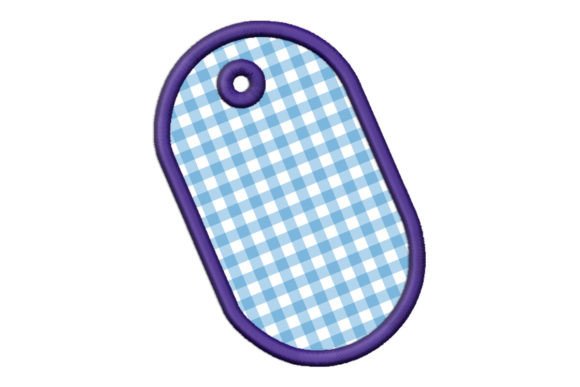
What really stands out is how adaptable the shape is. The rectangular body with rounded corners gives it a friendly, approachable look. The edges are stitched with a satin stitch that outlines the design neatly, making it easy to integrate with other motifs or text. Inside, there's room for fill stitches or running stitches depending on your creative direction. This kind of flexibility is rare in machine embroidery designs, especially ones meant for labeling or personalization.
Where Price Tag Shines in Real Projects
- Tote Bags: Whether you're creating personalized gift bags or branded totes for a boutique, the Price Tag adds a professional touch without overwhelming the fabric. The design sits flat and doesn’t interfere with other elements like logos or patterns.
- Sweatshirts and T-Shirts: On heavier fabrics like sweatshirts, the design maintains its structure well. On lighter shirts, it still holds up if stabilized properly. The contrast between thread colors and the garment can make the tag pop as a detail, especially when used in conjunction with a name or product number.
- Baby Clothes: For a soft and stylish way to label newborn outfits, this design offers a gentle alternative to harsh monograms. It fits nicely on the back hem or even across the front pocket of a onesie, depending on scale.
- Embroidered Patches: As an applique design, Price Tag translates well onto patches. The stitch types allow for a crisp edge, and the small size makes it perfect for adding to backpacks, denim jackets, or even as part of a larger patch collage.
- Pillow Covers and Aprons: These items often require a bit of whimsy or branding. The Price Tag design can serve as a clever corner accent or center piece when combined with numbers or short phrases like “Handmade” or “Made With Love.”
- Commercial Embroidery: For small shop owners or Etsy sellers looking to add a unique identifier to their merchandise, this design provides a cohesive brand element. It looks consistent across multiple items and helps customers recognize your products at a glance.
Things to Consider Before Stitching
While Price Tag is versatile, it does have some limitations based on context. Here are a few scenarios where extra care should be taken:
- Small Hoop Sizes: If you plan to use this design in a tiny hoop (like for keychains or hair clips), consider resizing carefully. The details might get lost if scaled too small, which could affect clarity.
- Textured Fabrics: On quilting cotton or canvas, the design may appear less smooth due to the fabric's texture. Test on scrap before committing to ensure the satin edges remain defined.
- Thin or Stretchy Fabric: Delicate materials like silk or stretchy knits require proper stabilizer. Otherwise, the design may distort or tear during stitching, especially around the corners.
- Dark Backgrounds: While the design uses contrasting thread colors, testing on dark fabric is essential. You might need to adjust the colors or add white backing stitches for better visibility.
- Curved Surfaces: Placing the design on caps or curved parts of garments (like the side seam of a hoodie) can cause distortion. Use a curved mockup tool or test on similar shapes to see how it adapts.
Design Notes for Embroidery Artists and Crafters
Before using Price Tag in your next project, take these practical steps to ensure the best results:
- Test on Scrap Fabric: Always run a test stitch on leftover material to check how the design interacts with your specific fabric and machine.
- Review Stitch Density: Depending on your machine and fabric, the default stitch density might be too tight or too loose. Adjust accordingly to prevent puckering or gaps.
- Confirm Thread Color Contrast: Choose thread colors that complement your base fabric and stand out visually. A black-and-white printable mockup can help preview the effect.
- Use Proper Stabilizer: Especially on stretchy or thin materials, a good stabilizer is crucial. Try cutaway or wash-away options depending on the final use of the product.
- Check Licensing Terms: If you’re planning to sell finished products or digital embroidery files, confirm whether the design allows for commercial use. Some designs require attribution or are restricted to personal projects only.
How Price Tag Impacts Your Finished Product
One of the biggest advantages of using Price Tag is how it enhances the perceived value of your handmade or custom apparel. It adds a layer of professionalism that signals quality and attention to detail. Customers respond positively to such subtleties—they notice the craftsmanship and appreciate the effort put into presentation.
In terms of visual appeal, the design introduces a structured element that can anchor more playful or organic designs nearby. It also works well as a standalone motif when paired with minimalist text. The stitching clarity is impressive; the lines are smooth and precise, which helps maintain a polished appearance even after repeated washing.
As a branding tool, Price Tag is invaluable. It can be used consistently across different product types to create a recognizable signature look. Whether you're labeling a holiday gift or adding a discreet brand mark to a tote bag, this design supports a cohesive aesthetic that elevates your craft business or Etsy shop.
Final Thoughts for the Creative Entrepreneur
I’ve used the Price Tag design in several real-life embroidery projects recently, including a batch of custom aprons for a local artisan market and a line of embroidered tea towels for a client’s home goods store. In each case, the design added a level of sophistication that turned average items into premium offerings. Buyers were drawn to the subtle branding and asked questions about the process, showing increased engagement.
It’s not a flashy design, but that’s exactly why it works. It’s understated, reliable, and expressive. Whether you're a hobbyist looking to personalize gifts or a small business owner aiming to enhance your product lineup, this embroidery file deserves a place in your design library.
Remember, though—while the design itself is solid, success comes down to how you apply it. Pay attention to fabric choices, stabilizers, and thread color combinations. And always test on a sample before moving to production. With those considerations in mind, Price Tag becomes more than just a motif—it becomes a meaningful part of your creative identity.