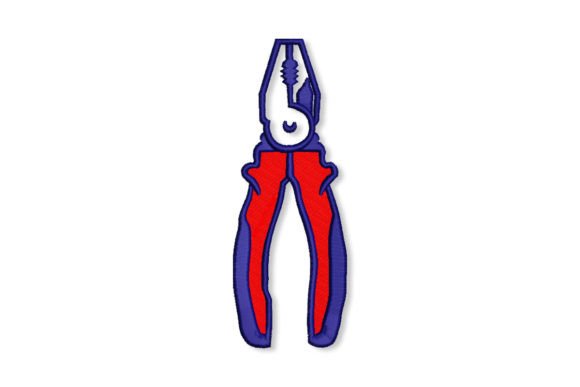
Combination Pliers: A Review for Embroidery Gift Creators
If you're an embroidery designer or a small business owner who thrives on creating personalized gift products, you know that the right design can elevate a simple item into something truly special. As I test Combination Pliers, I’m imagining how it might look stitched onto a baby blanket, a custom tote bag, or even a wedding keepsake. This machine embroidery design has a charm that’s both timeless and contemporary—something that speaks to crafters looking to add depth and character to their handmade products.
First Impressions of Combination Pliers
The moment I unzipped the digital file for Combination Pliers, I was struck by its intricate detailing. It's clear this is not just a basic tool illustration but a thoughtful design that blends function with artistic flair. The lines are clean yet rich in texture, giving it a handcrafted feel without being overly fussy. Its overall mood is elegant and practical, making it ideal for those who appreciate subtle sophistication in their embroidered gifts.
I found myself drawn to the way the pliers are rendered—each element seems purposeful, from the jaw edges to the handle curves. The design feels modern enough for today’s market while still having a classic structure that won’t date quickly. For a handmade product, this kind of balance is essential. It doesn't scream "crafty," but rather whispers “thoughtful.” That quiet confidence could appeal to a wide range of customers, including gift shop owners, Etsy sellers, and digital product creators aiming to offer meaningful, high-quality items.
Where Combination Pliers Shines as a Personalized Product
Let’s explore where this design works best:
- Baby Embroidery: The pliers motif adds a unique touch to nursery items like onesies, bibs, or aprons. It’s perfect for parents who love whimsical yet functional designs for their little ones.
- Wedding Gifts: Whether stitched onto a pillow cover or a custom towel set, Combination Pliers brings a sense of craftsmanship and elegance suitable for a bridal shower or honeymoon gift.
- Family Keepsakes: The design’s detailed nature makes it well-suited for framed wall art or embroidered memory books, especially if paired with names or dates.
- Personalized Towels: When used sparingly, the pliers motif can be a great addition to kitchen towels or bath sets, particularly for couples or DIY enthusiasts.
- Nursery Decor: On canvas panels or fabric bins, Combination Pliers offers a stylish, modern aesthetic that complements minimalist or industrial-themed nurseries.
- Tote Bags & Pillow Covers: These items benefit from the design’s visual weight and detail level. It’s bold enough to stand out but not so busy that it distracts from other elements.
- Blanket Embroidery: For larger pieces like baby blankets or throw pillows, the pliers design can serve as a central feature or part of a border pattern.
- Craft Fair Products: If you’re selling at local markets or online through Etsy, this design adds value to your offerings, especially for niche audiences like metalworkers or hobbyists.
- Custom Order Previews: Using a printable mockup, I created a few sample images to show potential clients. The design looked stunning on light-colored cotton and linen blends, making it easy to visualize on different fabrics.
When to Use Combination Pliers with Caution
While Combination Pliers is versatile, there are certain scenarios where extra care is needed:
- Small Lettering: If you plan to add text (like a name or date), ensure it's large enough to remain legible when combined with the main design.
- Delicate Fabrics: The fine details may not hold up well on very thin or stretchy materials. Always test on a scrap before stitching on final products.
- Textured Fabric: Stitch density may need adjustment to avoid distortion or puckering on surfaces like flannel or felt.
- Thick Towels: Because of the thickness, the design might require more stabilizer and careful tension settings to prevent thread breakage or uneven stitches.
- Stretchy Baby Clothes: The rigidity of the pliers shape may cause distortion on knits or stretchy fabrics. Consider using a lightweight cutaway stabilizer for better results.
- Curved Surfaces: Items like round pillows or curved bags may need some repositioning or resizing of the design to maintain proportion and clarity.
- Dark Fabric: While the design is beautiful, dark backgrounds may mute the visual impact. Test with various thread colors to ensure visibility and contrast.
- Frequent Washing: If your product will see heavy use, confirm that the design holds up after multiple washes. Dense stitching helps with durability here.
Impact on Giftability and Customer Perception
One of the most exciting aspects of testing Combination Pliers is how it enhances the perceived value of any product it adorns. Customers often associate intricate embroidery with quality and attention to detail. This design does exactly that—it suggests a maker who cares about the craft and the message behind each piece.
As a personalized gift, it carries emotional weight. Think of a new parent receiving a custom baby blanket with this design—they’re not just getting a soft item; they’re getting a symbol of creativity and care. Similarly, a couple opening a wedding gift featuring embroidered pliers might connect it to their shared hobbies or interests.
From a marketing perspective, the design also performs well in product photography. The sharp lines and detailed features photograph beautifully, helping buyers envision how the finished product will look in real life. As an Etsy seller, I’d say this is a strong contender for listings that aim to blend functionality with artistry.
Practical Tips for Embroidery Success
Before committing to a customer order, I always do a quick run-through of the following steps:
- Test on Scrap Fabric: Every design behaves differently depending on the material. Run a sample stitch on a similar fabric to gauge performance.
- Check Thread Color Contrast: Make sure your chosen thread colors pop against the background. Light-colored threads work best on darker fabrics, and vice versa.
- Confirm Hoop Size: Depending on the scale you choose, you may need a larger hoop than usual. Don’t assume—check the design specs or create a test layout.
- Review Stitch Density: Too loose, and the details may get lost. Too tight, and the fabric could pucker. Find the sweet spot for optimal results.
- Use Proper Stabilizer: Especially important on delicate or stretchy fabrics. Try tear-away for lighter materials and cutaway for heavier or textured ones.
- Compare Mockups: Always create both light and dark fabric versions of your embroidered towel or pillow cover to see which looks best under different lighting conditions.
- Inspect Small Details After Stitching: Zoom in on your test piece to check for skipped stitches or inconsistencies in the finer parts of the pliers.
- Confirm Commercial Licensing: Before adding Combination Pliers to your commercial embroidery projects, make sure the embroidery file includes permission for resale or mass production.
Final Thoughts from an Embroidery Designer’s Perspective
After spending time with Combination Pliers, I'm confident it’s a strong addition to any handmade gift line. It’s versatile enough to adapt to many products, from blanket embroidery to custom tote bags, and detailed enough to justify a premium price point. However, it’s not a one-size-fits-all solution. Like any good machine embroidery design, it requires thoughtful placement and consideration of fabric type, color, and usage.
For small shop product lines or digital embroidery file collections, this design is a win. It attracts a buyer who values both beauty and utility—someone who sees a gift not just as an object, but as a story waiting to be told. Whether you're crafting for a birthday, anniversary, or seasonal sale, Combination Pliers can help you deliver a product that feels both personal and professional.
In short, if you're looking to expand your Embroidery repertoire with a design that balances Work aesthetics and emotional resonance, Combination Pliers is worth a place in your collection. Just remember to test, adjust, and keep the customer experience at the forefront of every stitch.